Designing Homes That Stand the Test of Time
Martins
Contributor
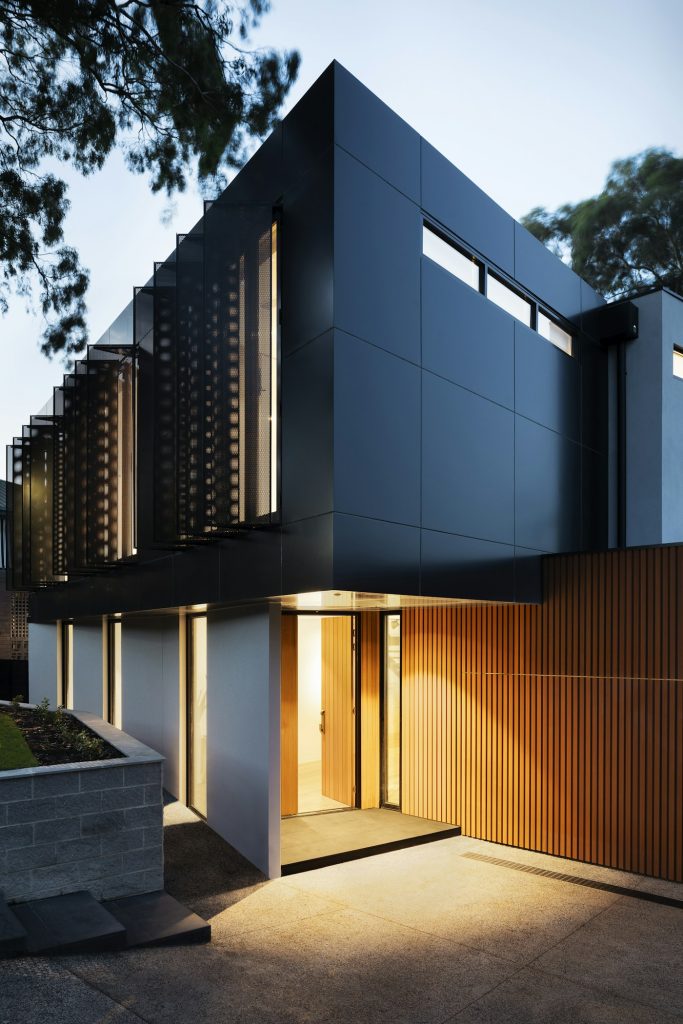
A home is more than a collection of rooms. The most rewarding spaces feel comfortable from the first day and continue to work as life changes. That kind of longevity begins with thoughtful decisions about light, materials, and the way people move through a space.
Start with the way you live
Good design responds to everyday routines rather than imposing a fixed idea of how a home should be used. A calm entrance, useful storage, and clear connections between shared spaces can make daily life feel more effortless. Flexible rooms also give a home room to adapt when work, hobbies, or family needs change.
Make natural light part of the plan
Windows, room proportions, and sightlines all shape how daylight moves through a house. Planning around the sun can create bright, welcoming interiors while making the most of views toward a garden or the surrounding landscape. Simple choices in layout can give each room a stronger connection to its setting.
Choose materials for character and durability
Natural materials bring texture and warmth, and they often become more appealing with age. Pairing a considered material palette with careful detailing helps the building feel cohesive, inside and out. Thinking about maintenance and repair at the design stage can also make it easier to care for a home over time.
Build with change in mind
A lasting home does not have to predict the future. It can provide a versatile framework: rooms with more than one possible use, sensible circulation, and details that can be repaired rather than replaced. When craftsmanship and practical planning work together, the result feels personal today and ready for whatever comes next.